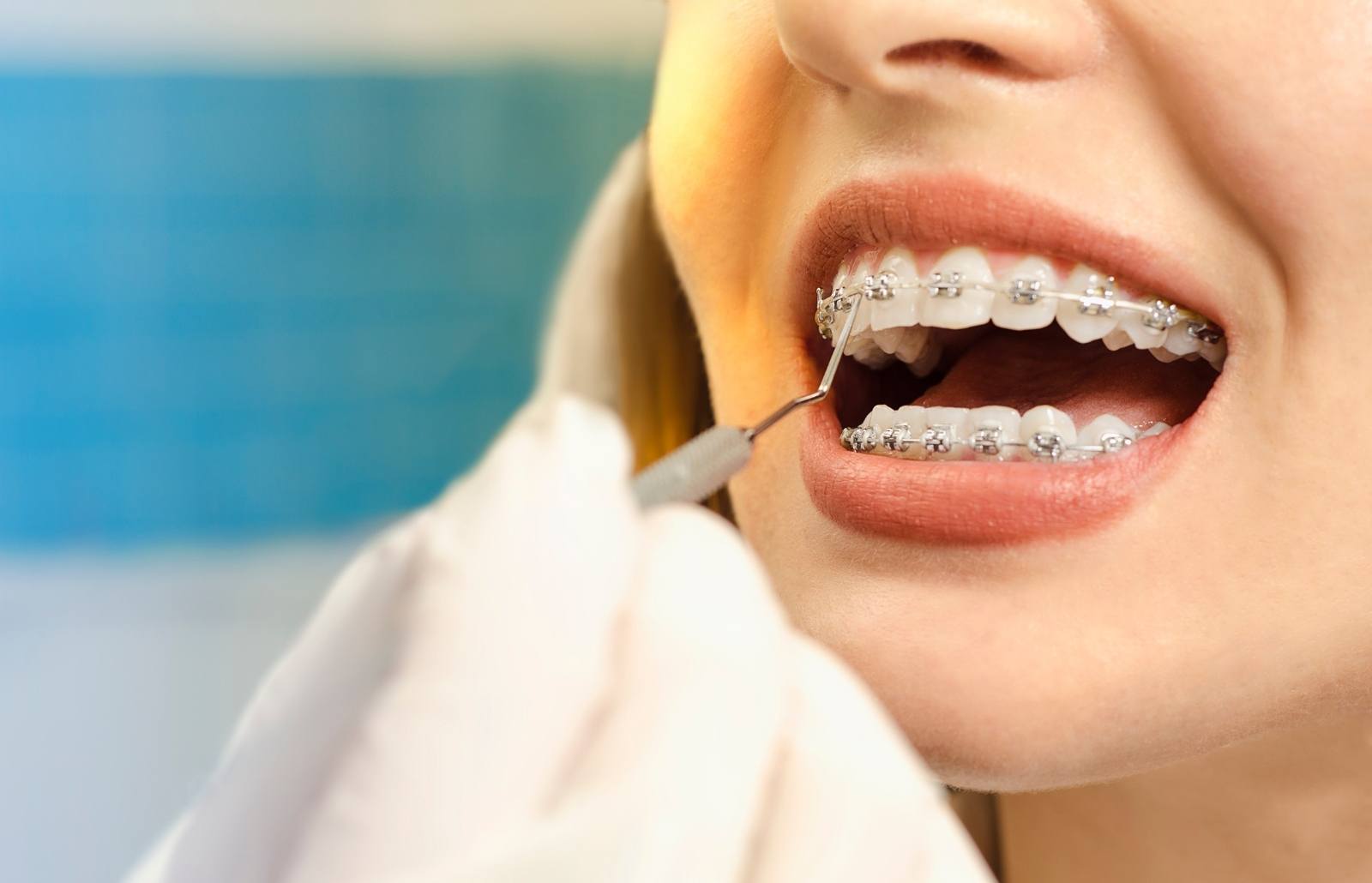
Best Orthodontist Services in Schwabing for All Age Patients
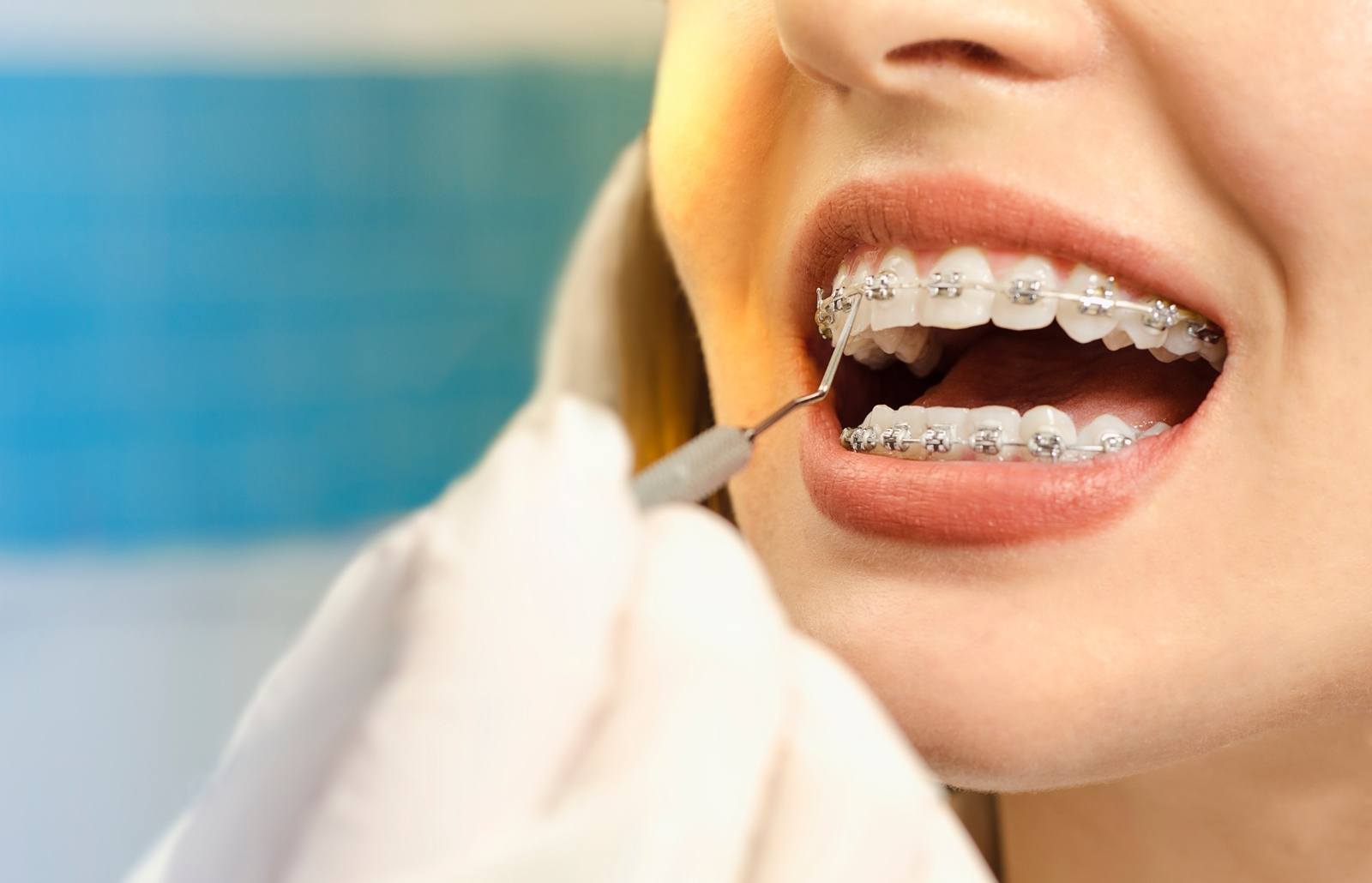
Achieving a healthy, properly aligned smile is a critical component of overall well-being, yet many individuals delay treatment due to a lack of clear information. Whether you are seeking care for a young child or exploring options for yourself as an adult, understanding the data behind dental treatments can help you make an informed decision. Finding a highly qualified Orthodontist Schwabing (kieferorthopäde schwabing) ensures that patients of every generation receive tailored, evidence-based care. The field of orthodontics has advanced significantly over the past decade, relying on precise metrics and modern technology to deliver faster, more comfortable results. This guide explores the most common questions and the statistics behind modern orthodontic treatments.
What percentage of orthodontic patients are adults?
Historically, braces were considered a rite of passage primarily reserved for teenagers. Today, demographic data shows a major shift in patient age profiles across the dental industry. Current industry statistics reveal that approximately one in four orthodontic patients is an adult over the age of twenty-one. Advances in discreet treatment options, such as clear aligners and lingual braces, have driven a steady annual increase in adult consultations. Adults are increasingly recognizing that correcting misalignments not only improves aesthetic appearance but also significantly reduces the risk of periodontal disease and uneven enamel wear, which are statistically more prevalent in older age groups with untreated bite issues.
How do early evaluations impact pediatric dental statistics?
Dental health professionals universally recommend that a child receive their first orthodontic evaluation by the age of seven. Data indicates that early intervention can reduce the need for severe corrective procedures, including jaw surgery or tooth extractions, later in life by up to 40%. At this developmental stage, the jaw is still growing, allowing specialists to guide bone development and create sufficient space for erupting permanent teeth. Statistical tracking of pediatric patients shows that early phase-one treatment successfully lowers the incidence of impacted teeth and corrects harmful habits, such as prolonged thumb sucking, before they cause permanent skeletal changes.
What are the success rates of clear aligners versus traditional braces?
When reviewing patient satisfaction and clinical efficacy statistics, both clear aligners and traditional metal braces boast success rates exceeding 90% for standard misalignments. However, the data diverges when examining treatment compliance and specific complex cases. Clear aligners rely heavily on patient adherence, requiring 22 hours of daily wear to achieve the statistical treatment timelines projected by predictive software. Traditional braces, being fixed appliances, remove the variable of patient compliance entirely, making them statistically more efficient for severe bite corrections and complex root movements. Additionally, patients often report a 30% reduction in emergency dental visits with clear aligners, as there are no wires or brackets to break.
How long does the average orthodontic treatment take?
Treatment durations vary widely based on the biological response of the patient and the structural complexity of the individual case. Statistical averages place comprehensive orthodontic treatment anywhere from 12 to 30 months. Minor aesthetic corrections often conclude within six to eight months, while severe skeletal discrepancies may require up to three years of active structural management. Technological advancements, such as 3D digital imaging and heat-activated archwires, have successfully reduced average treatment times by approximately 15% over the last decade, allowing patients to achieve their desired dental results faster and more efficiently than ever before.
Securing Your Long-Term Oral Health
Understanding the data and clinical statistics behind orthodontic care removes the guesswork from your health journey. From early childhood interventions that prevent future structural complications to advanced adult treatments that protect long-term oral health, the numbers clearly support the immense value of professional alignment. If you are ready to explore how modern dental technology can transform your oral health, scheduling a comprehensive evaluation is the most logical next step. Taking action today ensures that you or your child will enjoy the statistical benefits of a properly aligned, highly functional smile for a lifetime.
About the Author